
 Esperanto
 Shqiptare
 Euskara
 Zulu
Zulu
 Latinus
 Cymraeg
 தமிழ்
தமிழ்
 Slovak
 Slovak
 Afrikaans

25
2024
-
09
Ground Source Heat Pumps: Everything You Need to Know to Pump Up Your Heat Pump Knowledge
author:
Ground source heat pumps (GSHPs), also known as geothermal heat pumps, are one of the most efficient and eco-friendly ways to heat and cool your home or building. By tapping into the stable temperature beneath the Earth's surface, these systems provide energy-efficient climate control year-round. Here's an in-depth guide to understanding how they work, their benefits, and why they are a smart choice for your home or commercial property.
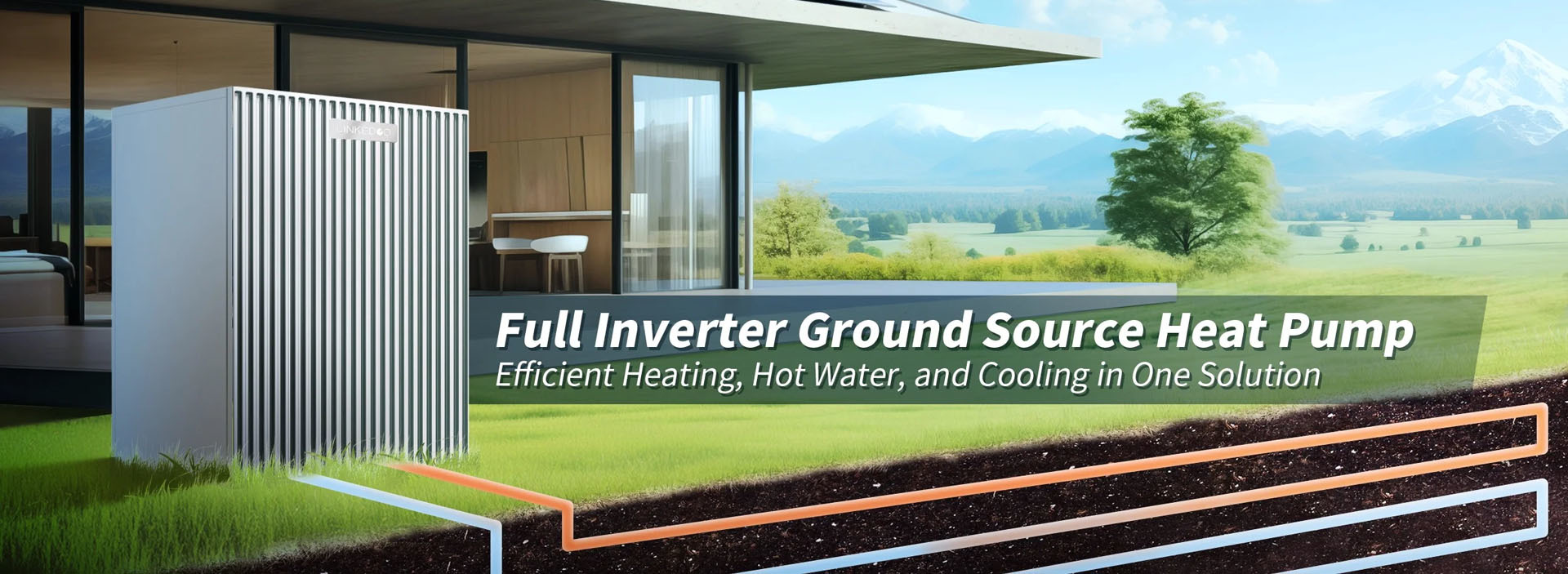
1. What Are Ground Source Heat Pumps?
Ground source heat pumps harness the Earth's natural energy for heating and cooling. Unlike air-source heat pumps, which extract heat from the outdoor air, GSHPs rely on the relatively constant temperature found below the ground. No matter the season, the temperature just a few meters below the Earth's surface remains relatively stable—around 10°C to 16°C (50°F to 60°F). This makes ground source heat pumps an ideal, energy-efficient choice for both heating and cooling in a variety of climates.
2. How Do Ground Source Heat Pumps Work?
A ground source heat pump system consists of a heat pump, a ground loop (a network of buried pipes), and a distribution system inside the building. The process can be broken down into three main stages:
Heating Mode (Winter Operation):
- Heat Absorption: During colder months, the ground source heat pump extracts heat from the ground. A loop of pipes buried in the ground, known as the ground loop, circulates a mixture of water and antifreeze.
- Heat Transfer: As this fluid moves through the ground loop, it absorbs the heat stored in the Earth.
- Heat Compression and Distribution: The heat pump's compressor then increases the temperature of this absorbed heat. The resulting warmth is distributed throughout the building via a radiant floor heating system, fan coils, or ducted air.
Cooling Mode (Summer Operation):
- Heat Extraction: During the summer, the process reverses. The heat pump extracts heat from the building and transfers it to the cooler ground.
- Heat Dissipation: The ground absorbs this heat, cooling your home or building in a more efficient manner than traditional air conditioners. Since the ground temperature remains cooler than the outside air during summer, GSHPs are more energy-efficient at cooling.
3. Types of Ground Loops in Ground Source Heat Pumps
There are two main types of ground loops used in GSHP systems, each designed for different site conditions:
Closed Loop Systems:
- The most common type of ground loop system, closed loops consist of a continuous loop of pipes that are either buried vertically (in deep boreholes) or horizontally (in shallow trenches).
- A fluid (water or water-antifreeze mix) circulates through the loop, exchanging heat with the ground.
Open Loop Systems:
- These systems use water from a natural source, such as a well or a pond, to transfer heat. The water is pumped directly into the heat pump system and then discharged back into the source.
- Open loop systems require a dependable and sufficient water source, making them less common than closed loop systems.
4. Why Choose a Ground Source Heat Pump? Key Benefits
Ground source heat pumps provide numerous benefits, both financial and environmental. Here’s why investing in a GSHP is a great long-term decision:
Energy Efficiency:
- GSHPs are much more efficient than traditional heating and cooling systems because they move heat rather than generate it. For every unit of electricity consumed, a ground source heat pump can provide 3 to 5 units of heating or cooling energy.
- This high efficiency translates to significant energy savings on utility bills, making GSHPs a smart investment over time.
Environmentally Friendly:
- GSHPs reduce carbon emissions by relying on renewable energy stored in the ground. Unlike gas or oil-fired furnaces, they don’t burn fossil fuels, which helps to decrease greenhouse gas emissions.
- When paired with renewable energy sources like solar panels, the carbon footprint of a GSHP system can be reduced even further, making it one of the most sustainable heating and cooling options available.
Year-Round Comfort:
- One of the main advantages of GSHPs is their ability to provide both heating and cooling with one system. No need to install separate air conditioning units and furnaces. Ground source heat pumps ensure consistent indoor comfort regardless of the season.
Durability and Longevity:
- Ground source heat pumps are known for their durability. The indoor components of the heat pump can last for up to 25 years, while the ground loop itself can last for over 50 years. This longevity reduces replacement and maintenance costs.
5. Ground Source Heat Pump Installation: Vertical vs. Horizontal Loops
The installation process of ground source heat pumps varies depending on your land area and soil type. Here’s a quick comparison of the two main installation methods:
Vertical Loop Installation:
- In urban or space-constrained areas, vertical boreholes are drilled deep into the ground (typically 150 to 400 feet). The ground loop pipes are installed in these holes.
- Vertical installations are more expensive than horizontal ones, but they are suitable for sites with limited land area.
Horizontal Loop Installation:
- For properties with more land available, horizontal loops are installed in shallow trenches about 4 to 6 feet deep. The pipes are spread out across a larger area.
- Horizontal installations are more cost-effective but require more land.
6. Maintenance Tips for Ground Source Heat Pumps
Ground source heat pumps are relatively low-maintenance, but regular checks ensure optimal performance and extend the system's lifespan. Here are some basic maintenance tips:
- Annual Check-Up: Schedule a yearly inspection by a qualified technician to check refrigerant levels, clean air filters, and ensure the system is functioning correctly.
- Ground Loop Care: The ground loop requires minimal maintenance since it is buried underground, but monitoring the system for leaks or pressure issues is essential.
- Heat Pump Care: Keep the indoor heat pump unit clean, and ensure that air vents and ducts remain unobstructed.
7. Is a Ground Source Heat Pump Right for Your Home or Business?
Ground source heat pumps can be used in residential, commercial, and even industrial applications. They are particularly effective for homes and businesses in areas with cold winters and hot summers. Before deciding on a GSHP system, consider the following:
- Land Availability: Does your property have enough space for a horizontal loop system, or would a vertical borehole system be more appropriate?
- Initial Costs: While the upfront installation cost of GSHPs is higher than traditional HVAC systems, the long-term energy savings and potential incentives (tax credits, rebates) can offset these costs over time.
- Climate: GSHPs work well in a wide range of climates, but areas with extreme temperatures may see the most significant benefits.
8. Conclusion
Ground source heat pumps are one of the most efficient and environmentally-friendly heating and cooling technologies available. By leveraging the constant temperature of the Earth, GSHPs can drastically reduce your energy consumption and provide year-round comfort. While the initial cost may be higher than traditional HVAC systems, the long-term savings and environmental benefits make them a worthy investment for both homeowners and businesses.
related news

undefined

Connect with LinkedGo
Join our newsletter for the latest product updates and exclusive deals.

LinkedGo Technology Co.,Ltd


